Transform Your Outdoor Space: Expert Garden Design Advice for a Stunning Home Yard
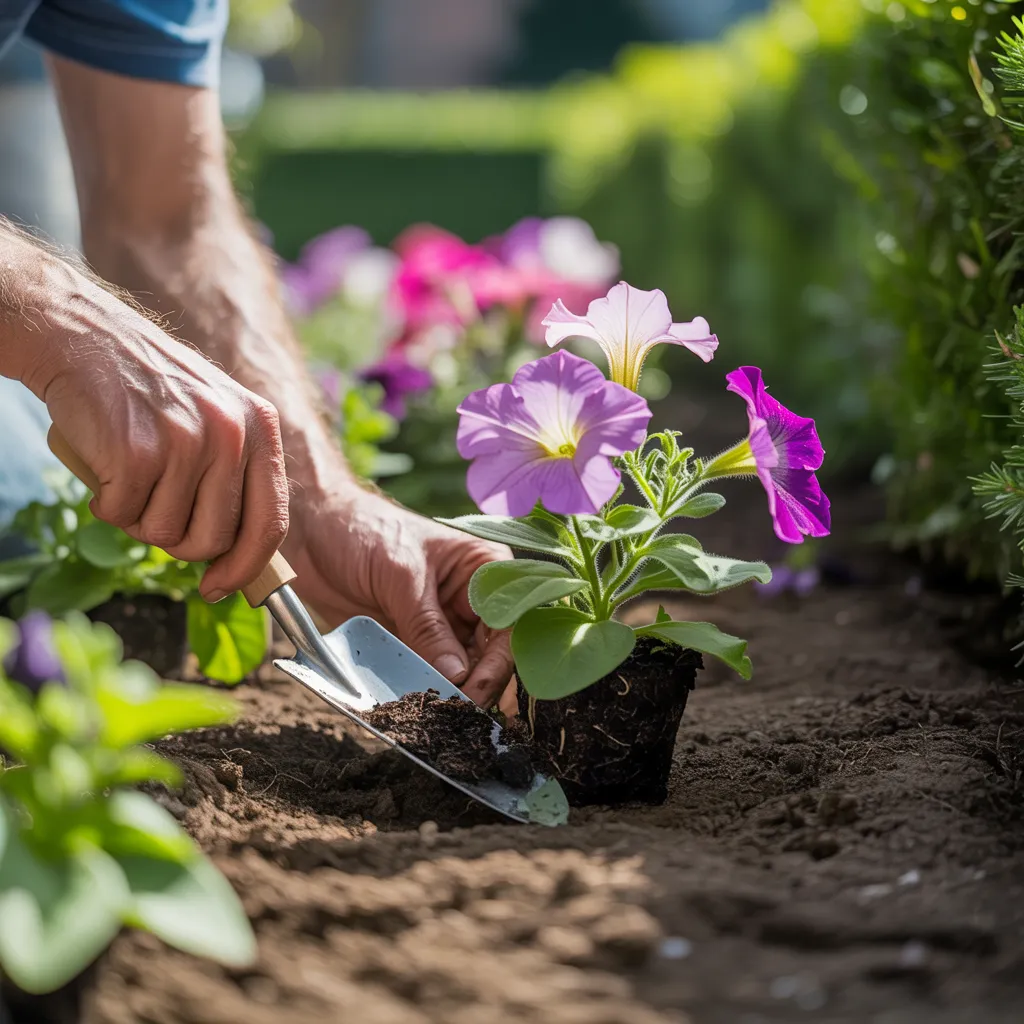
Turning an outdoor area into a stunning home garden entails careful planning and thoughtful execution. By analyzing the unique characteristics of a yard, individuals can establish clear landscaping goals. Picking plants suited to the local climate is vital. Additionally, incorporating practical hardscape components enhances both beauty and usability. However, the journey continues there. Discovering how to maintain vibrancy and environmental responsibility can uplift any garden to the next level. What strategies will lead to lasting success?
Examine Your Space to Set Your Landscaping Goals
Prior to beginning any landscape design project, it is crucial for homeowners to assess their outdoor space thoroughly. This initial evaluation enables them to comprehend the unique characteristics of their yard, such as sunlight exposure, soil condition, and existing vegetation. Recognizing these elements helps in determining what types of landscape features and design elements can be effectively integrated into the area.
Property owners should take measurements and note any barriers such as trees, fences, or pathways that may impact the layout. Additionally, understanding personal preferences and daily requirements—such as areas for entertainment, gardening, or relaxation—can inform the landscaping goals. By clearly defining these aims, property owners set a solid foundation for a unified and useful outdoor environment. This deliberate analysis ultimately produces a more successful and satisfying landscaping project, ensuring that the outdoor space not only strengthens the home's aesthetic but also addresses the practical needs of its inhabitants.
Discover the Best Greenery Appropriate for Your Area Climate
Determining the suitable plants for a specific climate is necessary for forming a healthy outdoor space. Grasping local weather patterns, including temperature ranges, rainfall, and humidity, helps homeowners choose plants that will succeed. Native plants often adjust best, needing less maintenance and water. For instance, drought-resistant varieties are ideal for arid regions, while moisture-loving species thrive in humid climates.
Gardeners should also take into consideration seasonal variations; choosing plants that provide year-round attractiveness enhances the landscape. Early spring bloomers, summer perennials, and vibrant fall foliage can create a dynamic visual experience. Additionally, consulting local gardening centers or extension services can offer valuable guidance into hardy plant varieties suited to specific conditions.
In the end, a thoroughly planned selection of plants not only elevates the appearance but also benefits local ecosystems and advances environmental sustainability, making it a prudent option for any yard redesign.
Improve Your Garden With Practical Hardscaping Elements
Functional hardscaping features play an important role in establishing outdoor spaces and boosting their usability. By incorporating seating areas and carefully crafted pathways, homeowners can design welcoming environments that promote relaxation and movement. Additionally, borders can help delineate various zones within the garden, providing structure and aesthetic appeal.
Determine Your Outdoor Zone
To design a well-defined outdoor space is to transform a garden into an warm retreat. One efficient way to accomplish this is by using practical hardscaping elements that provide structure and organization. Pathways made from rock or brick direct visitors while contributing visual interest. Retaining walls can form tiered levels that enhance the garden's design overall and prevent soil erosion. Fencing or trellises mark boundaries, giving privacy and a feeling of enclosure. Incorporating raised garden beds not only define planting areas but also keep them more accessible. These components work together pertinent details to form distinct zones that boost both aesthetics and functionality. Ultimately, a clearly marked outdoor space fosters a serene environment where homeowners can rest and take pleasure in nature.
Integrate Seating Areas
Placing sitting zones within an outdoor environment greatly increases its usability and charm. Through integrating functional hardscaping elements, homeowners can establish inviting spots for unwinding, socializing, or appreciating the natural world. Alternatives include chairs, patio sets, or swinging beds, each contributing to the yard's aesthetic and comfort. Positioning seating strategically alongside focal points, like flower beds or aquatic elements, inspires users to explore their surroundings. In addition, utilizing substances like granite or wood can match the landscape's design, preserving a harmonious aesthetic. Covered areas, including pergolas or umbrellas, deliver comfort during warmer months, making these spaces accessible year-round. Ultimately, thoughtfully created sitting spaces transform an typical landscape into a welcoming retreat for those you love.
Install Pathways And Borders
In outdoor landscaping, pathways and borders play the role of key features, guiding visitors through the garden while boosting its overall structure. They establish a feeling of order and flow, clarifying different sections and greenery. Components such as stone, gravel, or bricks can be applied to create durable paths, while natural borders formed by shrubs or decorative fencing improve aesthetic appeal. Moreover, pathways can encourage exploration, highlighting main features like flower beds or water features. Borders that are properly designed can also limit weed invasion and soil washout, supporting garden health. Ultimately, integrating pathways and borders not only raises functionality but also increases the appeal of the outdoor space, making it more appealing and pleasant.
Design Flow With Pathways and Seating Areas
A well-designed outdoor space often includes a balanced arrangement created through strategically positioned pathways and seating areas. Pathways direct visitors through the garden, establishing a clear sense of direction while improving the overall visual appeal. Using materials like stone, gravel, or wood can contribute to the pathway's appearance and ensure durability.
Seating areas provide rest points, encouraging guests to pause and enjoy the surroundings. Carefully placing seating adjacent to focal points, such as a fountain or a flower bed, promotes engagement with the landscape. The selection of seating options—seats, seating, or even hanging seats—can influence the atmosphere, whether it be casual or formal.
Incorporating both pathways and seating fosters an inviting environment, improving functionality and enjoyment. Together, they create a smooth shift between different sections of the garden, encouraging exploration and relaxation, ultimately turning any outdoor space into a tranquil retreat.
Add bold hues and depth to Your Garden
To improve the visual appeal of a garden, thoughtful selection of seasonal plants is essential. Layering different textures can provide depth and engagement, while well-positioned focal points can catch the eye and achieve a cohesive design. These elements together guarantee a vibrant and lively outdoor space throughout the year.
Choose Seasonal Vegetation Wisely
Opting for seasonal plants prudently can metamorphose any garden into a brilliant patchwork of color and texture. By picking plants that bloom at separate periods throughout the year, gardeners can confirm a continuous display of beauty. Spring bulbs, summer annuals, autumn perennials, and winter evergreens each supply particular shades and forms to the landscape. It is imperative to keep in mind local climate conditions and soil types, as well as the plants' growth habits. Native species often thrive better and need less maintenance, promoting biodiversity. Additionally, pairing plants with multiple heights and bloom times can craft a dynamic visual effect. Ultimately, thoughtful selection builds a garden that shifts with the seasons, offering a delightful experience year-round.
Build Finishes For Depth
Establishing textural dimension in a garden involves organizing varied textures that enhance and amplify seasonal color display. By incorporating a diverse array of botanical options with varied foliage forms, sizes, and pigmentation, one can forge a aesthetically dynamic landscape composition. For example, pairing expansive-leafed plants with gossamer-textured grasses can establish striking contrast. Additionally, blending in bark, stones, and other earthen materials adds sensory touch components that amplify the holistic garden experience. Blooming flowers should be strategically arranged to provide flashes of hue in each season, ensuring that each layer persists as aesthetically compelling. This intentional composition both draws the eye throughout the garden but also cultivates an immersive context where every component enriches the garden's beauty and harmony.
Add Focal Points in a Deliberate Way
Incorporating focal points strategically can noticeably improve a garden's visual allure and seasonal vibrancy. Such features act as anchors that draw the eye and create a cohesive design. Gardeners have at their disposal elements like artistic statues, decorative tree species, or vibrant flower beds to establish visual interest. Seasonal color can be added through the mindful choice of plants with staggered blooming periods, keeping the garden active and lively all year long. Textures also play a significant role; integrating polished stone pathways alongside rugged bark or rich greenery adds dimension. By thoughtfully placing these elements, a gardener can create an inviting atmosphere that encourages exploration and appreciation, changing an outdoor space into an engaging retreat.
Embrace Eco-Friendly Approaches for a Thriving Garden
Adopting sustainable practices is essential for building a healthy garden that thrives in harmony with the environment. Gardeners are encouraged to utilize native plants, which require less water and support while sustaining local wildlife. Implementing sustainable cultivation techniques, such as composting and natural pest control, can greatly cut chemical usage, fostering a healthier ecosystem.
Water preservation methods, such as drip irrigation and rainwater harvesting, further improve sustainability by optimizing resource use. Mulching not only retains moisture but also reduces weeds, lowering the need for herbicides. Additionally, promoting biodiversity by incorporating a diversity of plants fosters resilience against pests and diseases.
Soil vitality is critical; practices like crop rotation and cover cropping maintain nutrient levels without synthetic fertilizers. By implementing these sustainable practices, gardeners can establish a lush, flourishing space that supports both plants and the environment, ultimately contributing to a more rewarding gardening experience.
Address Common Issues for Year-Round Garden Aesthetics
A well-cared-for yard can present numerous issues during the year, affecting its general visual quality and health. Frequent obstacles feature insect problems, nutrient deficiencies, and inadequate water supply. Spotting pests early is critical; plant growers should regularly inspect leaves for damage signs and treat infestations through the application of natural pest treatments or adding beneficial insects.
Essential mineral deficiencies often show up as yellowing leaves or stunted growth. Conducting soil tests can help pinpoint exact requirements, permitting for focused nutrient treatment to restore balance. Additionally, ensuring adequate watering is essential; overwatering can result in root disease, while underwatering pressures plants.
Seasonal shifts also necessitate changes in attention. During winter, using mulch protects roots from frost, while summer may require increased watering and shade for delicate plants. By resolving these common issues immediately and successfully, gardeners can delight in a radiant and thriving outdoor space throughout the year.
Common Questions Asked Regularly
What Budget Do I Need for a Landscaping Project?
A landscape work typically requires a financial plan ranging from $1,000 to $5,000 for modest upgrades, while substantial designs may transcend $15,000. Determinants such as raw materials, labor, and project scope greatly shape total cost.
What Is the Perfect Time to Commence Landscaping?
The optimal period to commence landscaping is during early spring or autumn. These seasons supply ideal weather conditions for planting, permitting plants to establish roots before meeting the challenges of summer heat or winter cold.
Should I Tackle Landscaping on My Own or Contract a Professional?
One can certainly tackle landscaping projects on your own, utilizing online resources and creativity. However, hiring a professional guarantees expertise, efficiency, and potentially superior results, especially for complex designs or larger projects that require specialized skills.
Which Implements Are Critical for Home Landscaping?
Basic implements for home landscaping include a rake, shovel, spade, pruning shears, garden fork, and a hose or watering can. These essentials help efficiently maintain soil, plants, and overall garden upkeep, ensuring effective garden cultivation.
How Can I Properly Care For My Growing Space During All Seasons?
To sustain a garden throughout the year, one should frequently trim vegetation, apply mulch for insulation, monitor water levels, and implement seasonal cultivation plans. Additionally, controlling pests and fertilization are essential for vibrant, healthy growth.